

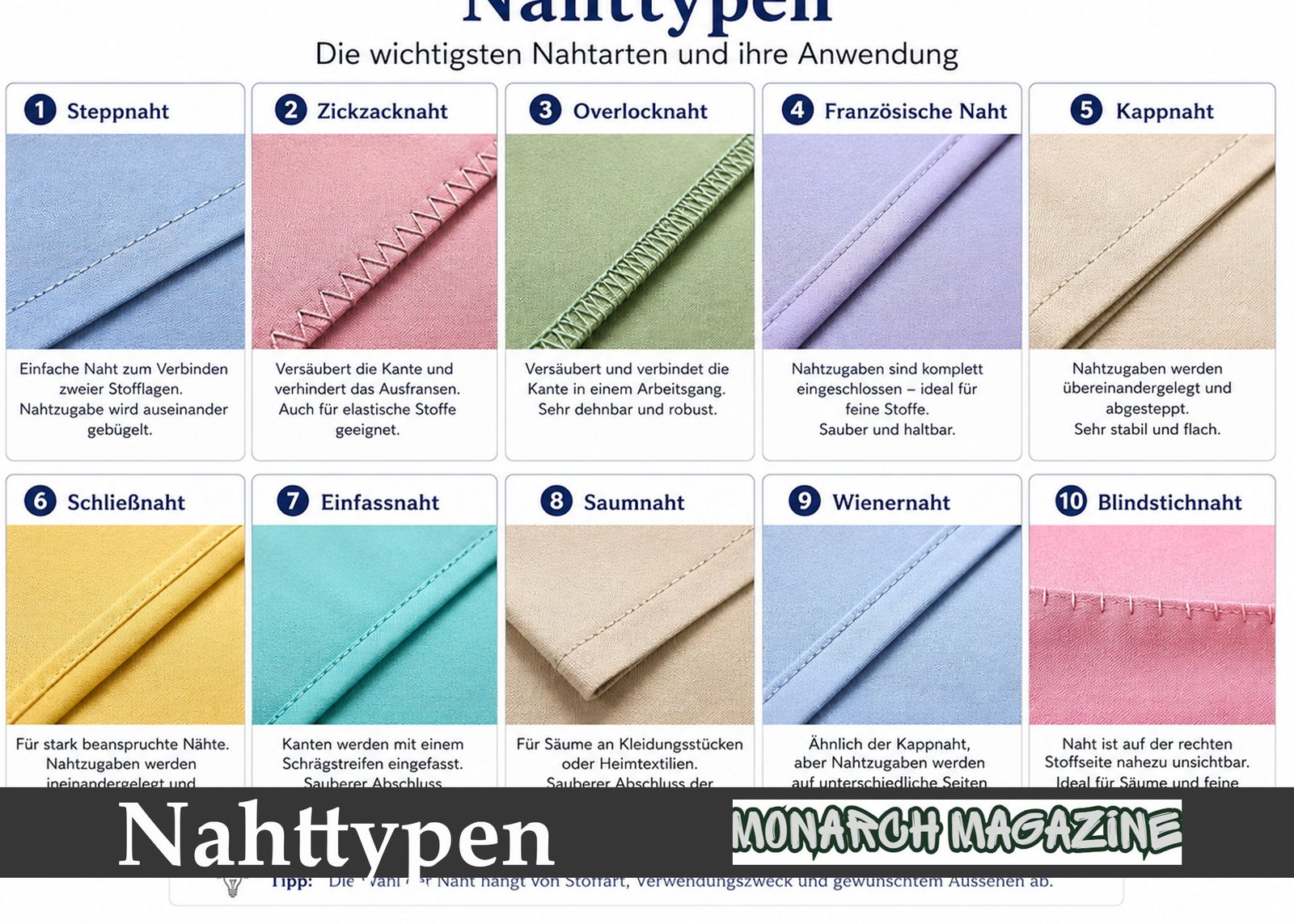
Sewing is more than simply joining two pieces of fabric together. The type of seam you choose can completely change the durability, appearance, comfort, and professional finish of a garment. This is where Nahttypen become extremely important. Whether you are a beginner learning basic stitching or an experienced tailor working on premium clothing, understanding different seam types can improve the quality of every project.
The world of Nahttypen includes a variety of sewing techniques designed for specific fabrics, garment structures, and decorative purposes. Some seams are created for strength, while others are chosen for flexibility or beauty. From flat-felled seams used in denim jeans to French seams found in delicate dresses, every seam serves a unique purpose in textile construction.
“A garment is only as strong and elegant as the seams holding it together.”
In this detailed guide, you will learn about the most important seam types, where they are used, their advantages, and how to choose the best option for your sewing projects. Along the way, we will also explore related sewing concepts such as stitch types, seam finishes, fabric compatibility, and garment durability.
Introduction
Sewing is an essential part of fashion design, textile production, and garment construction, but the true quality of any stitched product often depends on the seam structure used. This is where Nahttypen become incredibly important. The term refers to the various types of seams used to join fabrics together, each designed for a specific purpose, fabric type, and style requirement. Whether you are creating casual clothing, luxury garments, sportswear, or home décor items, understanding seam types can dramatically improve both appearance and durability.
Different Nahttypen offer different benefits. Some seams are made for strength and long-lasting performance, while others are designed to create a clean and elegant finish. For example, jeans commonly use flat-felled seams for extra durability, while delicate dresses often rely on French seams to hide raw edges and provide a polished interior look. Choosing the right seam type not only affects the visual quality of a garment but also determines how comfortable and functional it will be over time.
In modern sewing and fashion production, seam construction is considered one of the most important technical skills. Professional tailors, designers, and manufacturers carefully select seam types based on fabric weight, flexibility, and garment purpose. Learning about Nahttypen allows beginners and professionals alike to create stronger, cleaner, and more professional-looking sewing projects with confidence.
Why Understanding Nahttypen Matters
When people first begin sewing, they often focus only on the fabric or the sewing machine. However, professional tailors know that seam selection is equally important. Different fabrics react differently under tension, washing, and movement. Using the wrong seam can lead to tearing, discomfort, or an unprofessional appearance.
Learning about Nahttypen allows you to create garments that last longer and look more refined. For example, sportswear requires flexible seams that can stretch during movement, while formal garments need clean and nearly invisible stitching. Home décor projects like curtains or cushion covers also depend heavily on choosing the correct seam construction.
Another important reason to understand seam types is efficiency. Once you know which seam works best for cotton, silk, denim, or stretch fabric, your sewing process becomes faster and more accurate. You avoid unnecessary mistakes and produce cleaner results with less fabric waste.
Common Types of Nahttypen Used in Sewing
The sewing industry uses many seam variations, but several types are considered essential for everyday sewing and garment production. Each one offers unique strengths depending on the project.
| Seam Type | Best Used For | Main Advantage |
|---|---|---|
| Plain Seam | Everyday garments | Simple and fast |
| French Seam | Delicate fabrics | Clean interior finish |
| Flat-Felled Seam | Jeans and workwear | Strong and durable |
| Overlocked Seam | Stretch fabrics | Prevents fraying |
| Bound Seam | Decorative garments | Elegant appearance |
| Lapped Seam | Leather and heavy fabric | Strong overlap construction |
The plain seam is one of the most basic and commonly used sewing seams. It joins two fabric edges together and works well for beginner projects. Despite its simplicity, it can be strengthened using zigzag stitching or overlocking to prevent fabric fraying.
French seams are popular in luxury garments because they hide raw edges inside the seam itself. This creates a neat and polished look, especially for lightweight fabrics like chiffon or silk. Many designers use French seams in premium fashion collections because they combine beauty with durability.
Plain Seam and Its Everyday Importance
Among all Nahttypen, the plain seam is often the first one taught in sewing classes. It involves placing two fabric pieces right sides together and sewing along the seam allowance. After stitching, the seam is pressed open or to one side.
This seam is extremely versatile and suitable for shirts, skirts, dresses, and home textiles. Its simplicity makes it ideal for beginners, but professionals also rely on it for quick garment assembly. When reinforced properly, the plain seam can handle significant wear and washing.
One major advantage of this seam is adaptability. You can combine it with seam finishes such as pinking, zigzag stitching, or serging to improve durability. Because of its efficiency and speed, factories commonly use this seam in mass garment production.
French Seams for Elegant Garments
French seams are considered one of the most refined Nahttypen in modern sewing. They are designed to completely hide raw fabric edges, making the inside of a garment look just as beautiful as the outside.
This seam is especially useful for sheer and delicate fabrics that tend to fray easily. Instead of leaving raw edges exposed, the seam encloses them within a second row of stitching. This not only improves appearance but also extends the garment’s lifespan.
Fashion designers frequently use French seams in bridal wear, blouses, luxury dresses, and lightweight nightwear. The finished seam feels soft against the skin, which adds comfort for the wearer. Although French seams take more time to sew, the final result looks highly professional.
“French seams transform simple garments into premium-quality pieces.”
Flat-Felled Seams and Their Strength
If you have ever worn denim jeans, you have likely seen flat-felled seams without realizing it. These strong seams are widely used in workwear, sportswear, and heavy-duty clothing because of their incredible durability.
Flat-felled Nahttypen are created by folding one seam allowance over the other and stitching it flat. This process hides raw edges while adding extra reinforcement. The result is a seam that resists tearing even under heavy stress.
These seams are not only practical but visually attractive. The double rows of stitching create a classic industrial appearance often associated with jeans and jackets. Many outdoor clothing brands prefer flat-felled seams because they survive repeated washing and physical activity.
Overlocked Seams for Stretch and Knit Fabrics
Modern sewing machines often include overlocking functions, making overlocked seams one of the most widely used seam finishes today. These seams are especially important for stretchy fabrics such as jersey, activewear, and knit materials.
Overlocked Nahttypen trim the fabric edge while simultaneously wrapping thread around it. This prevents fraying and allows the fabric to stretch without breaking the stitches. As a result, garments remain flexible and comfortable during movement.
Sportswear manufacturers rely heavily on overlocked seams because athletic clothing experiences constant stress and stretching. These seams are fast to produce, making them highly efficient for commercial garment manufacturing.
Decorative and Functional Seam Variations
Not all seams exist only for structure. Some are chosen primarily for decoration and style enhancement. Decorative seam types can transform a simple garment into a fashionable statement piece.
Bound seams use fabric binding or tape to cover raw edges. This technique creates a colorful and elegant finish commonly seen in jackets, handbags, and luxury garments. Decorative topstitching is often added for extra detail.
Lapped seams are another stylish option often used in leather garments and non-fraying fabrics. Instead of placing fabric edges together, one edge overlaps the other before stitching. This produces a modern and strong visual effect frequently used in outerwear and accessories.
Choosing the Right Nahttypen for Different Fabrics
Selecting the correct seam type depends heavily on fabric characteristics. Lightweight materials require different seam structures compared to thick or stretchy textiles. Understanding fabric behavior is essential for professional sewing results.
For delicate fabrics such as silk or chiffon, French seams work best because they prevent visible fraying. Heavy materials like denim benefit from flat-felled seams due to their superior strength. Stretch fabrics require flexible overlocked seams that move naturally with the body.
The purpose of the garment also matters. Activewear needs durable stretch seams, while formal dresses prioritize elegance and comfort. Home décor projects may focus more on strength and wash resistance. Matching the seam to the project ensures better performance and appearance.
How Seam Finishes Improve Durability
Many people confuse seam types with seam finishes, but they are slightly different concepts. A seam type refers to how fabrics are joined, while a seam finish protects the raw edges after sewing.
Common seam finishes include zigzag stitching, pinked edges, bias binding, and serging. These finishes prevent unraveling and improve garment longevity. Professional sewing often combines multiple techniques for the best results.
For example, a plain seam can become significantly stronger when paired with overlocked edges. Likewise, decorative seam finishes can add both beauty and durability to fashion garments.
Sewing Tips for Perfect Seam Construction
Creating professional seams requires more than choosing the correct technique. Precision and preparation are equally important for achieving high-quality results.
Always press seams after sewing because pressing shapes the fabric and improves the garment’s final appearance. Using the correct needle size and thread type also affects seam strength. Lightweight fabrics need finer needles, while heavy textiles require stronger equipment.
Testing stitches on fabric scraps before sewing the final garment is another useful habit. This allows you to adjust tension, stitch length, and seam allowance without risking mistakes on the actual project.
Modern Sewing Trends and Nahttypen
The sewing industry continues evolving with new technology and sustainable fashion practices. Modern machines now offer advanced stitching options that make complex seams easier to create at home.
Eco-friendly fashion brands are also paying closer attention to seam durability. Stronger seams increase garment lifespan, reducing textile waste and supporting sustainable clothing production. This has renewed interest in traditional durable seam constructions.
At the same time, decorative seam styles are becoming more popular in streetwear and designer collections. Visible topstitching, contrast thread colors, and creative seam placements are now major fashion trends.
Conclusion
Understanding Nahttypen is one of the most valuable skills for anyone interested in sewing, tailoring, or fashion design. Different seam types influence not only the strength of a garment but also its comfort, flexibility, and overall appearance.
From simple plain seams to elegant French seams and highly durable flat-felled constructions, every seam has a specific purpose. Choosing the correct seam for the fabric and project ensures better durability, cleaner finishes, and a more professional look.
As sewing techniques continue evolving, mastering seam construction remains a timeless foundation of quality craftsmanship. Whether you sew as a hobby or professionally, learning the right seam techniques will improve every project you create.
FAQ About Nahttypen
What are Nahttypen in sewing?
Nahttypen refer to the different types of seams used to join fabrics together in sewing and garment construction. Each seam type serves a unique function depending on fabric, durability, and design needs.
Which Nahttypen are best for beginners?
Plain seams are usually the best option for beginners because they are simple, versatile, and suitable for many sewing projects. They also help new sewers learn seam allowances and stitching accuracy.
Why are French seams popular in fashion?
French seams are popular because they hide raw edges inside the seam, creating a clean and elegant finish. They are especially useful for delicate fabrics like silk and chiffon.
Which seam type is strongest?
Flat-felled seams are considered among the strongest Nahttypen because they use folded fabric layers and double stitching. They are commonly found in jeans and workwear.
Are overlocked seams necessary?
Overlocked seams are highly recommended for stretch and knit fabrics because they prevent fraying and allow flexibility. They are widely used in sportswear and modern clothing production.
How do I choose the right seam type?
The best seam type depends on fabric thickness, stretchability, garment purpose, and desired appearance. Lightweight fabrics often need French seams, while durable garments benefit from flat-felled seams.
Can decorative seams improve garment quality?
Yes, decorative seams can enhance both appearance and durability. Techniques such as bound seams and topstitching add professional detail while reinforcing garment structure.
People Also Read:
Emarand Explained: Everything You Need to Know About This Rising Digital Trend
Brandi Loge Explained: A Complete Guide to Understanding the Rising Online Name
Palentu Explained: Everything You Need to Know About This Rising Digital Platform
