


The term Fascisterne continues to spark debate among historians, political analysts, and everyday readers interested in world history. While the word is often associated with authoritarian rule, nationalism, and political extremism, its historical roots are much deeper and more complex than many people realize. Understanding how these movements emerged and why they gained influence helps readers better understand modern politics and social tensions across the world.
Throughout the twentieth century, fascist ideologies shaped governments, cultures, wars, and public opinion. The influence of these movements reached far beyond Europe and left a permanent mark on global history. Today, researchers still study the social conditions that allowed such systems to rise and spread. Examining these events carefully allows society to learn valuable lessons about democracy, freedom, and political manipulation.
Table of Contents
ToggleIntroduction
The history of Fascisterne remains one of the most discussed and controversial subjects in modern political studies. From the rise of authoritarian governments in Europe to their influence on global conflicts, fascist movements shaped the twentieth century in dramatic ways. Understanding how these ideologies developed helps readers gain deeper insight into nationalism, propaganda, dictatorship, and the fragile nature of democratic systems.
The term Fascisterne is often connected with strong political leadership, centralized authority, and intense national pride. While these movements promised stability and national revival during times of crisis, they also led to oppression, censorship, and widespread human suffering. Historians continue to examine the conditions that allowed fascist governments to gain public support and expand their influence across multiple countries.
Today, discussions about Fascisterne are still highly relevant. Political analysts, educators, and researchers frequently compare historical fascist tactics with modern forms of extremism and authoritarian behavior. By studying the past carefully, societies can better recognize the warning signs of political manipulation and protect democratic values for future generations.
Historical Overview of Fascist Ideology
The history of Fascisterne is closely linked to the political instability that followed World War I. Economic collapse, unemployment, social unrest, and national humiliation created fertile ground for radical political movements. In countries struggling with weak governments and public dissatisfaction, authoritarian leaders promised order, unity, and national revival.
Italy became one of the earliest examples of fascist rule under Benito Mussolini. His movement promoted strong nationalism, military expansion, and centralized authority. Similar ideas later appeared in Germany and other parts of Europe. These governments often relied on fear, propaganda, and strict control over public life to maintain power.
Fascist systems rejected liberal democracy and opposed socialism and communism. Instead, they emphasized loyalty to the nation and obedience to leadership. Citizens were encouraged to place the state above individual rights, creating societies where dissent was heavily punished and freedom of expression was limited.
Another major factor behind the rise of fascist governments was the emotional appeal of national identity. Political speeches, public rallies, and carefully designed symbols created a strong sense of belonging among supporters. This emotional connection helped authoritarian leaders gain mass support during difficult economic times.
Key Characteristics and Political Structure
One defining feature of Fascisterne was the concentration of power in the hands of a single leader or ruling party. Democratic institutions were weakened or removed entirely, allowing governments to control the military, media, and judiciary without opposition.
Political propaganda played a central role in maintaining authority. Newspapers, radio broadcasts, films, and public events were used to shape public opinion and glorify the ruling government. Citizens were often exposed to carefully crafted messages designed to encourage loyalty and suppress criticism.
Another important characteristic was militarism. Fascist governments frequently celebrated military strength and expansion. Young people were encouraged to join youth organizations that promoted discipline, nationalism, and obedience. These programs aimed to shape future generations into loyal supporters of the state.
Economic control also formed part of the political structure. While private businesses were allowed to exist, governments often directed industries to serve national goals. Large corporations sometimes cooperated closely with political leaders, creating systems where economic and political interests became deeply connected.
Comparative Table of Fascist Features
The development of Fascisterne can be better understood by comparing some common characteristics found in historical fascist movements.
| Feature | Description | Historical Impact |
|---|---|---|
| Authoritarian Leadership | Power concentrated in one leader | Reduced democratic freedoms |
| Nationalism | Strong focus on national identity | Increased political unity and conflict |
| Propaganda | State-controlled messaging | Influenced public opinion |
| Militarism | Emphasis on military power | Encouraged expansion and war |
| Suppression of Opposition | Silencing critics and rivals | Limited civil liberties |
| Media Control | Government influence over communication | Reduced independent journalism |
These elements often worked together to strengthen political control. Propaganda reinforced nationalism, while militarism supported aggressive foreign policies. The combination created highly centralized systems with limited tolerance for opposition.
The table also highlights why historians continue to study these governments carefully. Many of these strategies still appear in political discussions today, making historical awareness especially important for modern societies.
Propaganda and Mass Communication
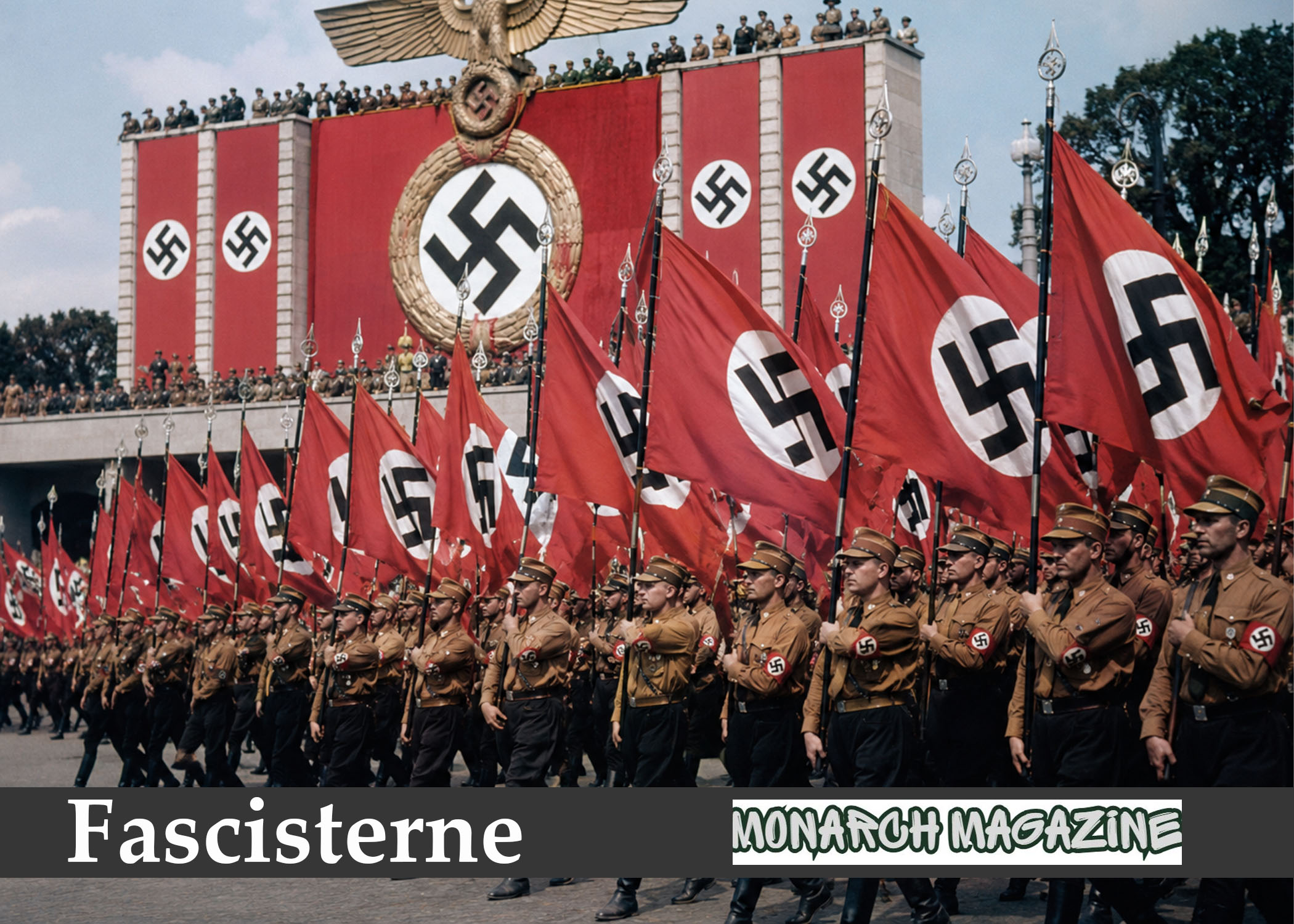
The success of Fascisterne depended heavily on communication strategies that shaped public perception. Leaders understood the power of emotion, symbolism, and repetition. Posters, speeches, flags, and public ceremonies were designed to create strong emotional reactions among citizens.
Radio became one of the most powerful tools during the early twentieth century. Governments used broadcasts to deliver speeches directly into people’s homes, strengthening the connection between political leaders and the public. This allowed authorities to spread messages quickly and efficiently.
Education systems were also influenced by political ideology. School materials often promoted nationalism and loyalty to the government while discouraging independent criticism. Young citizens were taught to admire authority and prioritize collective goals over personal freedom.
Mass gatherings played a major role as well. Large rallies created a sense of unity and power that encouraged emotional participation. Carefully choreographed events helped supporters feel connected to something larger than themselves, reinforcing loyalty to the political movement.
Social Impact on Everyday Life
The influence of Fascisterne extended beyond politics and deeply affected daily life. Governments attempted to shape culture, family values, education, and even personal behavior. Citizens were expected to support national goals and demonstrate loyalty in public settings.
Artists, writers, and filmmakers often faced censorship if their work challenged government ideology. Cultural production became closely tied to political messaging. Some creators supported these systems willingly, while others faced punishment or exile for expressing dissenting views.
Women’s roles were also heavily influenced by state ideology. Many fascist governments promoted traditional family structures and encouraged women to focus on motherhood and domestic responsibilities. Population growth was sometimes presented as a patriotic duty connected to national strength.
Minority groups frequently suffered discrimination and persecution under authoritarian regimes. Political opponents, ethnic minorities, and religious communities were often targeted through restrictive laws and social exclusion. These policies created long-lasting trauma that continued long after the collapse of fascist governments.
World War II and Global Consequences
The aggressive expansionism associated with Fascisterne became one of the major causes of World War II. Nationalist ambitions and military invasions destabilized Europe and eventually drew countries from around the world into conflict.
The war resulted in enormous destruction, millions of deaths, and severe economic damage across multiple continents. Entire cities were destroyed, and countless families experienced displacement and hardship. The human cost of authoritarian expansion remains one of the darkest chapters in modern history.
Following the defeat of fascist governments, international organizations worked to rebuild democratic institutions and prevent similar conflicts in the future. The establishment of the United Nations reflected a global desire for cooperation and peace after years of violence.
The postwar period also led to widespread investigations into war crimes and human rights abuses. Trials held after the conflict demonstrated the international community’s attempt to establish accountability for actions committed during the war.
Modern Relevance and Political Discussions
Even decades later, Fascisterne remains an important topic in political discussions and academic research. Historians continue to analyze how economic crises, social fear, and political polarization can contribute to authoritarian movements.
Modern societies often debate where the line exists between strong nationalism and dangerous extremism. Political commentators frequently compare contemporary events to historical examples in order to warn against threats to democratic institutions.
Digital media has changed how political messages spread, but many communication techniques remain surprisingly similar. Emotional rhetoric, misinformation, and targeted propaganda continue to influence public opinion around the world.
Understanding historical fascism also helps citizens recognize the importance of free speech, independent journalism, and democratic accountability. Learning from the past remains essential for protecting political freedoms in the present.
Quotes That Reflect Historical Lessons
The story of Fascisterne has inspired many powerful observations from historians and political thinkers.
“Those who cannot remember the past are condemned to repeat it.”
This quote highlights why historical awareness matters in every generation. Ignoring past political failures can make societies vulnerable to repeating dangerous patterns.
“Freedom is never more than one generation away from extinction.”
This reminder emphasizes the importance of civic participation and democratic responsibility. Political freedom requires active protection and informed citizens.
Historical quotes remain relevant because they encourage reflection rather than fear. They remind readers that political systems are shaped by human choices, public awareness, and social responsibility.
Media, Literature, and Public Memory
The subject of Fascisterne continues to appear in films, books, documentaries, and television programs. Popular media often explores themes of power, resistance, and moral responsibility through stories connected to fascist history.
Documentaries provide valuable educational insights by combining archival footage, expert interviews, and survivor testimony. These resources help younger generations understand the emotional and human impact of authoritarian rule.
Literature has also played an important role in preserving historical memory. Novels, memoirs, and biographies allow readers to experience historical events through personal perspectives, making complex political history easier to understand.
Public memorials and museums continue to educate visitors about the dangers of extremism and political violence. These institutions preserve historical evidence while encouraging dialogue about democracy and human rights.
Conclusion
The legacy of Fascisterne remains one of the most significant political topics in modern history. Its rise demonstrated how fear, instability, and propaganda can reshape entire societies when democratic institutions become weak or divided.
Studying these movements is not only about understanding the past. It is also about recognizing the importance of political awareness, critical thinking, and civic responsibility in the modern world. By learning from history, societies can better protect freedom, encourage tolerance, and strengthen democratic values for future generations.
FAQ Section
What does Fascisterne mean in historical discussions?
The term generally refers to fascist movements and political groups associated with authoritarian nationalism, centralized power, and strong state control. Historians commonly use it when discussing twentieth-century political systems and their global influence.
Why is Fascisterne still studied today?
Researchers continue studying the topic because it provides important lessons about propaganda, dictatorship, political extremism, and the fragility of democratic institutions. Many modern political debates still reference historical fascist systems.
How did Fascisterne influence World War II?
Fascist governments promoted aggressive expansion, militarism, and nationalism, which contributed significantly to international tensions and eventually led to the outbreak of World War II.
What role did propaganda play in fascist governments?
Propaganda was used to influence public opinion, glorify political leaders, and discourage criticism. Governments controlled newspapers, radio broadcasts, films, and educational systems to spread official ideology.
Can fascist ideas appear in modern societies?
Many historians believe certain authoritarian tendencies can emerge during periods of political instability, economic hardship, or social division. This is why education and democratic accountability remain extremely important today.
